What Causes Concrete Cracks, Spalling, and Surface Damage
To repair concrete cracks, spalling, and surface damage caused by various factors, local contractors can assess the issues and provide effective solutions to restore your concrete's integrity.
Understanding what causes concrete cracks, spalling, and surface damage can be essential for property owners looking to maintain the integrity and appearance of their concrete surfaces. These issues are common in many areas and can arise from a variety of practical factors such as weather fluctuations, poor initial installation, or ongoing wear and tear. Recognizing the underlying causes can help property owners determine when professional repair services might be needed to prevent further deterioration and costly repairs down the line.
For those in the local area, exploring this topic is a practical step toward preserving the value and safety of their property. Local contractors who specialize in concrete repairs are equipped to address these problems effectively, whether it involves fixing cracks, removing spalling, or restoring damaged surfaces. Continuing to read can provide valuable insights into how these issues develop and how experienced service providers can help restore concrete surfaces to their best condition.
Get Quotes for Concrete Cracks, Spalling, And Surface Damage Repair
- Concrete cracks often develop due to ground movement or settling, prompting local contractors to assess and repair the damage to restore stability. Spalling occurs when freeze-thaw cycles or moisture infiltration weaken the surface, and service providers can perform surface repairs to prevent further deterioration. Surface damage from heavy loads or impact may require specialized patching and resurfacing by experienced local contractors. Understanding the causes of concrete surface issues helps homeowners determine when professional repair services are needed. Local pros can evaluate the underlying factors and provide appropriate solutions to address cracks, spalling, and surface damage.
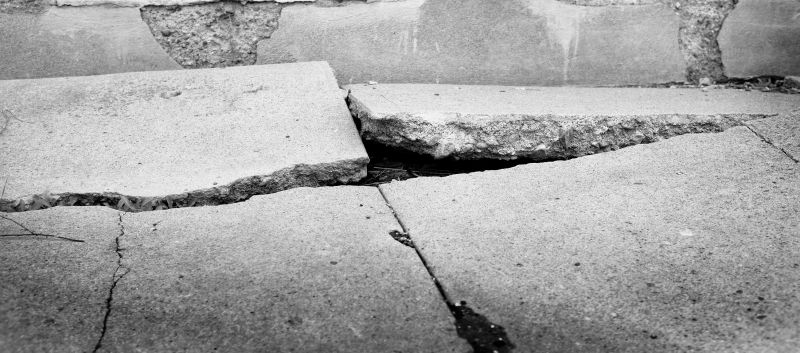
Understanding what causes concrete cracks, spalling, and surface damage is essential for homeowners seeking long-lasting, durable outdoor and indoor surfaces. When searching for this topic, people often want to identify why their concrete has developed visible issues, whether it’s a driveway, patio, sidewalk, or foundation. These problems can indicate underlying structural concerns or simply surface wear, and addressing them early can prevent more extensive damage later. Homeowners may be planning repairs or considering replacements, and knowing the root causes helps inform the best approach. Local service providers who specialize in concrete repair can assess the specific issues, diagnose the causes, and recommend effective solutions to restore the integrity and appearance of concrete surfaces.
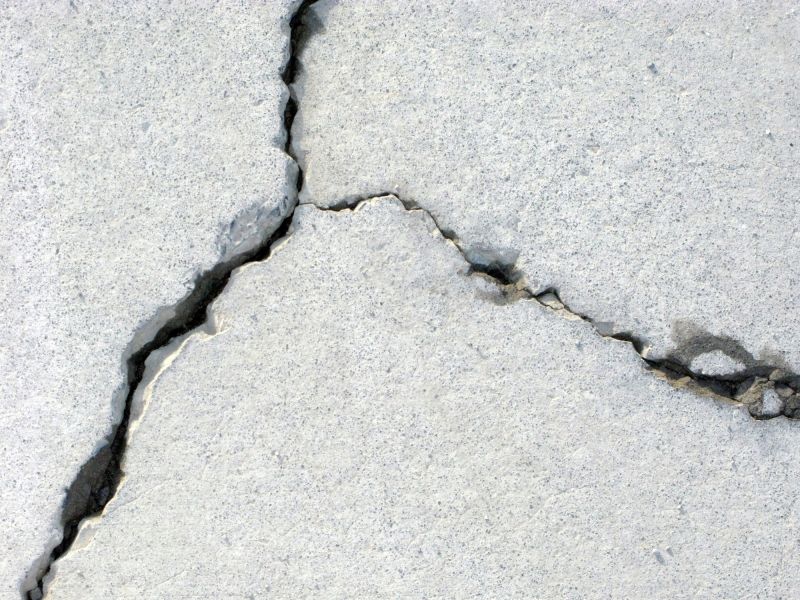
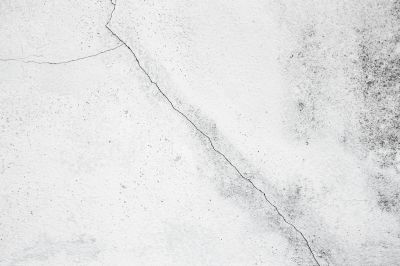
Concrete cracks are common and can arise from various factors. Shrinkage during curing, temperature fluctuations, and ground movement are primary contributors. For example, when concrete dries too quickly or unevenly, it can develop small cracks known as shrinkage cracks. Temperature changes, especially freeze-thaw cycles, cause expansion and contraction that stress the material, leading to wider cracks over time. Ground settling or shifting beneath a slab can also create cracks as the foundation moves. These issues are often seen in driveways and walkways but can affect foundations and other structural elements as well. Local contractors experienced in concrete repairs can evaluate the crack patterns and determine whether they are superficial or indicative of deeper problems needing specialized attention.
Spalling and surface damage are often linked to the deterioration of the concrete’s outer layer. Spalling occurs when the surface flakes, chips, or peels away, exposing the aggregate beneath. This can happen due to freeze-thaw cycles, where trapped moisture inside the concrete expands when frozen, causing the surface to break apart. Additionally, chemical exposure from de-icing salts or other corrosive agents can weaken the concrete surface, leading to spalling. Surface damage may also result from improper finishing during installation or from heavy traffic and impact over time. These issues are common on driveways, parking lots, and industrial floors. Local concrete repair experts can assess the extent of surface damage and recommend treatments to remove loose material and apply protective coatings to prevent future deterioration.
The types of properties most affected by concrete cracks, spalling, and surface damage typically include residential homes, commercial buildings, and public infrastructure. Driveways, patios, and basement floors often show signs of surface wear and cracking due to regular use and exposure to the elements. Commercial properties like parking lots and warehouse floors are particularly vulnerable to surface damage from heavy machinery and constant traffic. Foundations and structural slabs are also at risk, especially if underlying soil conditions shift or water infiltration occurs. Recognizing the specific property type and its unique demands helps homeowners and property managers understand how these issues develop and why timely repairs performed by experienced local contractors are crucial to maintaining safety and functionality.
Concrete Restoration Projects - These projects involve repairing and restoring damaged concrete surfaces, requiring skills similar to addressing cracks, spalling, and surface damage caused by structural issues or environmental factors.
Foundation Repair Services - Foundation repair often involves diagnosing and fixing underlying causes of concrete deterioration, making it relevant for addressing cracks and surface damage related to structural movement.
Driveway and Sidewalk Resurfacing - Resurfacing projects focus on restoring the surface integrity of concrete slabs, which aligns with repairing surface damage and preventing further cracking.
Concrete Waterproofing Applications - Waterproofing work helps prevent water intrusion that can lead to spalling and cracking, making it a related service to protect concrete surfaces from damage.
Structural Concrete Repair - Structural repairs require understanding of concrete behavior and damage prevention, similar to diagnosing and fixing issues caused by what causes concrete cracks, spalling, and surface damage.
Surface Preparation and Finishing - Proper surface prep and finishing techniques are essential for effective repairs and preventing surface damage, connecting closely with the skills needed for concrete surface restoration.
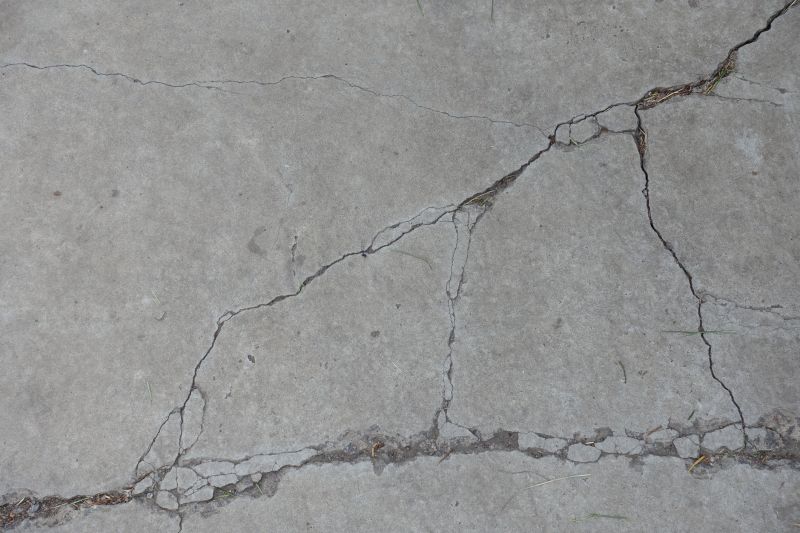
When evaluating service providers for concrete cracks, spalling, and surface damage repair, experience with similar projects is a key factor to consider. Homeowners should inquire about how long a contractor has been working on concrete repair and whether they have handled issues comparable to the specific type of surface damage present. A contractor with a solid track record in addressing similar problems is more likely to understand the underlying causes-such as settlement, freeze-thaw cycles, or improper mixing-and apply appropriate solutions that prevent future issues. This familiarity can lead to more effective repairs and help ensure the longevity of the concrete surface.
Clear written expectations are essential when comparing local contractors for concrete repair services. Homeowners should seek detailed explanations of the scope of work, including the methods used to diagnose the cause of cracks or spalling, as well as the steps involved in the repair process. Having a clear understanding of what to expect helps prevent misunderstandings and ensures that both parties are aligned on the project’s goals. Reputable service providers will be transparent about their procedures and provide written estimates that outline the work to be performed, making it easier to compare options and select a contractor who meets specific needs.
Reputable references and good communication are crucial components in selecting a reliable concrete repair contractor. Homeowners should ask for references from past clients who had similar issues and verify the quality of work and professionalism demonstrated. Additionally, effective communication-such as responsiveness to questions, clarity in explanations, and willingness to address concerns-can significantly impact the overall experience. Service providers who prioritize transparent, open dialogue and can clearly articulate the causes of concrete surface problems and the proposed solutions are more likely to deliver satisfactory results and foster a positive working relationship throughout the project.
Get a Quote for Concrete Cracks, Spalling, And Surface Damage Repair
Property owners often search for what causes concrete cracks, spalling, and surface damage when they are planning practical projects around their homes and businesses. Local pros provide Concrete Cracks, Spalling, and Surface Damage Repair services for everyday jobs and straightforward project options.
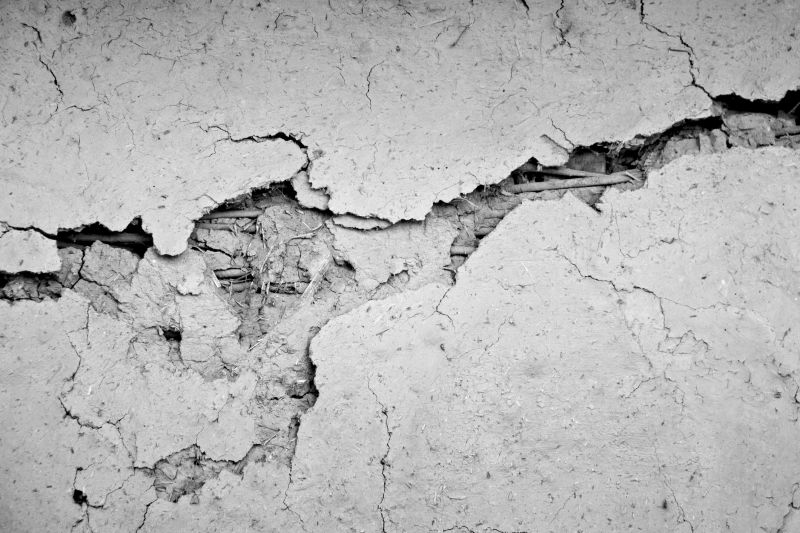
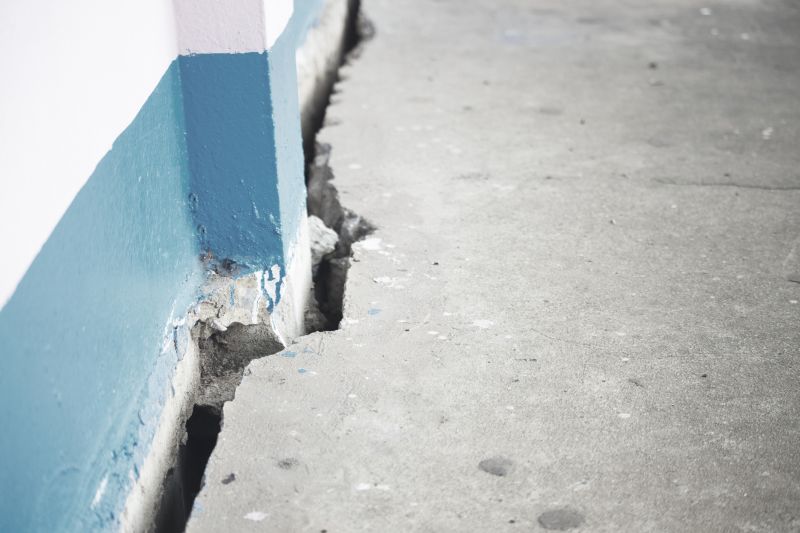
Understanding what causes concrete cracks, spalling, and surface damage is essential for property owners looking to maintain the integrity and appearance of their concrete surfaces. Common everyday situations, such as exposure to freeze-thaw cycles, uneven settling of the ground, or improper initial installation, can lead to these issues over time. Heavy foot traffic or vehicle loads may also contribute to surface wear and small cracks, which can eventually worsen if not addressed. Local contractors experienced in concrete repair can assess these problems and determine the underlying causes, helping property owners find effective solutions to restore their concrete surfaces.
Surface damage and deterioration often result from environmental factors like moisture infiltration, which causes spalling or scaling, or from temperature fluctuations that induce expansion and contraction. Poor drainage around a property can trap water against concrete, accelerating deterioration, while age and wear can weaken the material, making it more susceptible to cracking and surface chipping. When these issues arise, local service providers are equipped to evaluate the damage, identify the root causes, and perform repairs that extend the lifespan of the concrete. Consulting with experienced contractors ensures that repairs are properly tailored to address the specific factors contributing to surface damage.
Get a Quote for Concrete Cracks, Spalling, And Surface Damage Repair
What are the main causes of concrete cracks, spalling, and surface damage? Common causes include temperature fluctuations, moisture infiltration, improper mixing, and structural settlement, which can weaken the concrete over time. Local contractors can assess these factors to determine the root cause and recommend appropriate repair solutions.
How does temperature change contribute to concrete deterioration? Temperature extremes cause expansion and contraction in concrete, leading to stress and eventually cracking or surface damage. Experienced service providers can implement measures to minimize these effects and repair existing issues.
Can moisture infiltration cause concrete spalling and surface damage? Yes, water can seep into concrete, especially if its protective surface is compromised, leading to spalling and deterioration. Local pros can identify moisture-related problems and perform repairs to prevent further damage.
How does improper installation or mixing affect concrete's durability? Incorrect mixing ratios or poor installation practices can create weak spots in concrete, making it more prone to cracking and surface deterioration. Skilled contractors can address these issues through proper repair techniques.
What role does structural movement or settlement play in concrete damage? Shifts in the foundation or settling ground can cause stress on concrete surfaces, resulting in cracks and surface damage. Local service providers can evaluate and repair these issues to restore stability.
Understanding structural movement - Recognizing how shifting soil or settling foundations can lead to cracks helps property owners plan for proper repairs with local contractors.
Managing moisture exposure - Controlling water infiltration around concrete surfaces can prevent spalling and surface damage, making it easier to maintain durable concrete.
Addressing improper installation - Ensuring concrete is mixed and poured correctly reduces the risk of early surface damage and cracking, which local service providers can help correct.
Monitoring environmental factors - Being aware of temperature fluctuations and freeze-thaw cycles allows property owners to work with pros on protective measures to minimize surface deterioration.
If you are thinking about what causes concrete cracks, spalling, and surface damage for a property, this guide is meant to help you understand this topic, the typical project types, and how different options might fit your plans.
When you are ready, you can use the quote form on this page to share a few details about your project. From there, local pros can review the basics and follow up with options that match what you have in mind.
Get a Quote for Concrete Cracks, Spalling, And Surface Damage Repair